
Our Educational Tours in Kenya and East Africa are structured learning journeys designed for schools, universities, and institutions — where knowledge is not just acquired, but experienced, questioned, and deeply understood.
There is a difference between learning about a subject and learning within it. In a classroom, conservation is a set of concepts. In the Maasai Mara, it is a living system you can observe, analyze, and engage with directly. In Mwea, food security is not an abstract policy issue — it is the rice paddy in front of you, farmed by people whose livelihoods depend on water, weather, and market access.
Our Educational Tours are built on the conviction that this difference matters — and that the experiences travelers carry home from the field are often the ones that shape how they think for the rest of their lives.
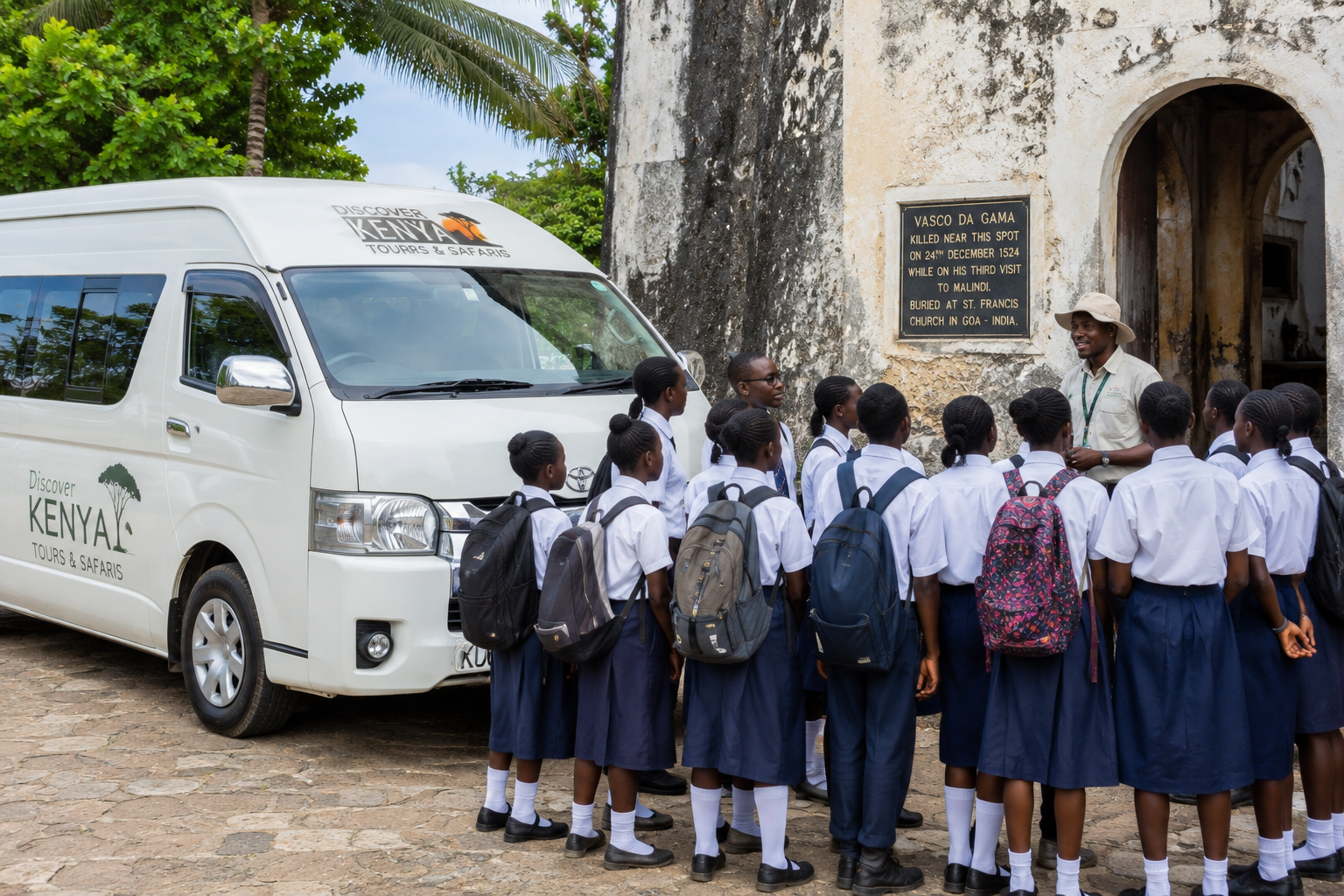
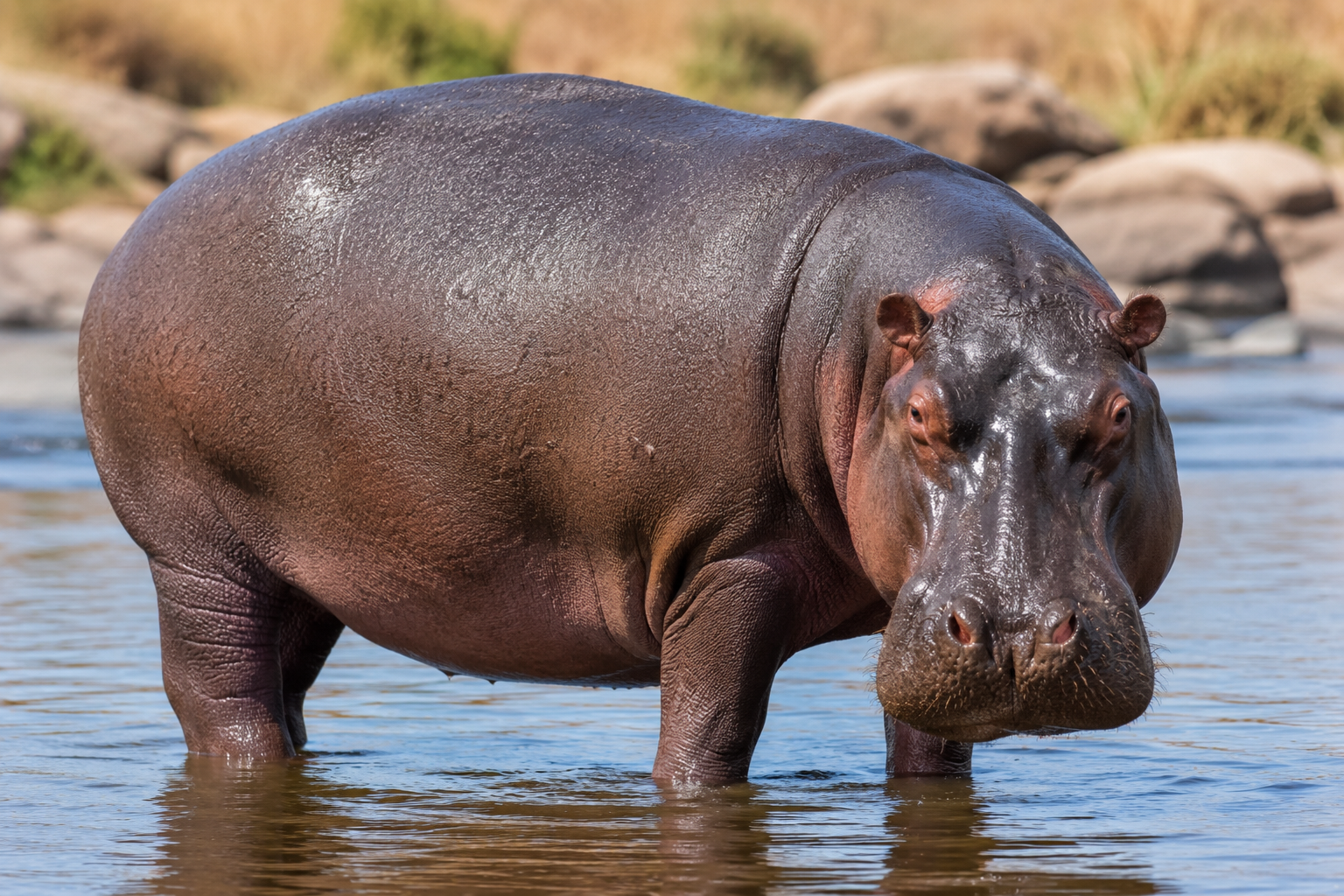
Each educational tour is designed with intentionality from the beginning. Learning begins before departure, with preparatory materials and briefings that introduce key themes and frame the objectives of the experience.
In the field, programs are guided by subject-matter experts, local practitioners, and community members who bring both academic and lived knowledge into the conversation. Activities include guided field observations, data collection exercises, conservation workshops, farm visits, cultural exchanges, and structured reflective discussions.
Evening debrief sessions help connect daily experiences to broader themes — climate change, biodiversity, sustainable development — ensuring that learning is not only informative but genuinely transformative.
The pace allows for both structured engagement and moments of organic discovery. Ideas develop in the field. Perspectives shift in the conversation. That is the point.
Your participation in this experience directly supports rhino conservation in Kenya. Every booking funds anti-poaching operations, habitat restoration, and biodiversity protection. In Sera, it supports a Samburu community whose livelihoods are directly tied to protecting the sanctuary they steward.This is ESG-driven travel in its most concrete form:
Participants engage directly with conservation efforts and environmental challenges, gaining firsthand understanding of ecosystem management, climate resilience, and biodiversity protection.
The tours foster meaningful cultural exchange and mutual learning. Communities benefit through tourism revenue and knowledge-sharing. Participants gain perspectives that no classroom curriculum can replicate.
Programs are designed in partnership with reputable institutions, conservancies, and community organizations — ensuring ethical, transparent, and educationally rigorous delivery.
This is one of those experiences you will carry with you for the rest of your life. Let us help you design it properly.