
Into the Forest. Face to Face with the Mountain Gorilla

Our Uganda and Rwanda Gorilla Trekking Experience is one of the most profound wildlife encounters available anywhere on earth — an intimate, patient journey into ancient rainforest where the boundary between human and wild feels both fragile and deeply connected.

More Than a Safari. A Moment That Redefines Everything

There are wildlife experiences, and then there are encounters that genuinely change the way you see the world. Gorilla trekking is among the rarest and most powerful of the latter.

This is not a conventional safari. There are no vehicles. No game drives. No spectacle designed for cameras. You walk — slowly, deliberately, guided by trackers through some of the densest and most biodiverse forest in Africa — until you find them. And when you do, the hour you spend in their presence becomes something you will carry with you for the rest of your life.
Where the Experience Takes You

Bwindi Impenetrable National Park

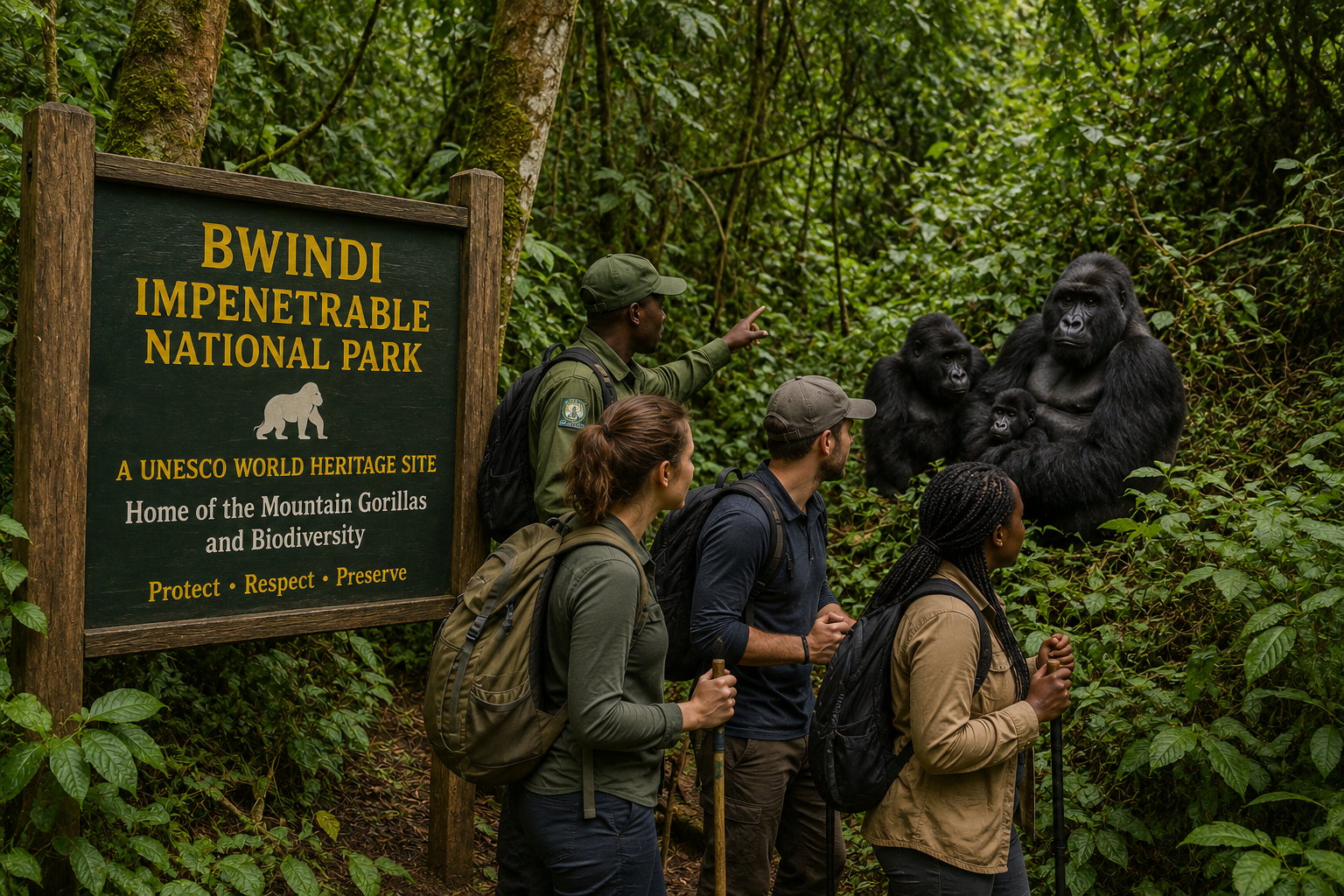
Uganda Bwindi is exactly what its name suggests — a forest of extraordinary density, steep terrain, and an atmosphere that feels almost primordial. This UNESCO World Heritage Site is one of the last remaining habitats of the endangered mountain gorilla, and it is here that habituated gorilla families live under careful, dedicated protection. Entering Bwindi is to enter a different world — quiet, complex, ancient, and alive in ways that defy easy description.

Volcanoes National Park

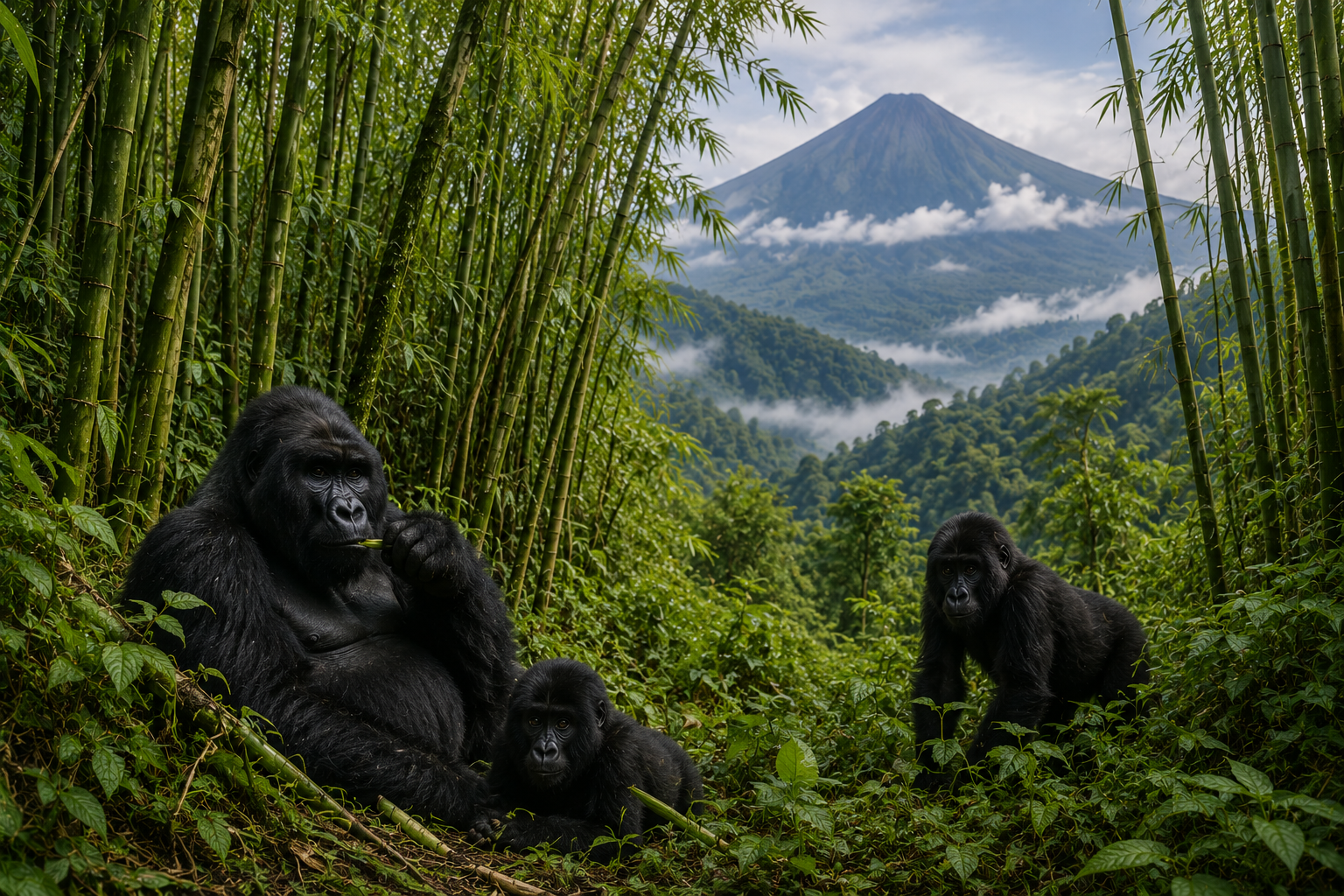
Rwanda Set within the greater Virunga mountain range, Volcanoes National Park offers a complementary setting for gorilla trekking — bamboo forests, volcanic slopes, and high-altitude terrain that creates a different but equally compelling atmosphere. Together, Uganda and Rwanda offer two perspectives on the same extraordinary conservation success story, and we design itineraries that can include both.

How the Experience Unfolds

The Morning Briefing

Every trek begins with a detailed briefing from experienced guides and trackers. Groups are kept intentionally small — typically no more than eight participants — ensuring minimal impact on the gorillas and a genuinely personal experience for every member of the group.

Entering the Forest

From the briefing point, you move on foot into the forest. Trails quickly give way to dense vegetation and uneven terrain. The trek can range from a few hours to a full day — depending entirely on where the gorilla family has moved — which means every experience is genuinely unique and unpredictable.

Reading the Signs

As you move deeper into the forest, trackers communicate quietly — interpreting broken branches, fresh nests, distant calls. The anticipation builds slowly and deliberately. This is part of the experience — the patience, the awareness, the heightened attention to the forest around you.

The Encounter And then — you find them

A strict one-hour viewing window ensures that wildlife well-being remains the priority. In that hour, you observe a world that feels both familiar and extraordinary: juveniles playing, mothers nurturing, the dominant silverback watching over the group with a calm, ancient authority. These moments are described, almost universally, as deeply moving — not for spectacle, but for quiet, emotional intensity.

Beyond the Trek

The experience extends beyond the encounter itself. The forests of Bwindi and the Virunga region are among the most biodiverse in Africa, home to hundreds of bird species, other primates, and extraordinary flora. Cultural interactions with local communities add another layer of understanding — the human stories that are interwoven with these extraordinary conservation landscapes.

Why The Gorilla Trekking Matters

One of Conservation's Great Success Stories

Mountain gorilla populations have actually grown — a rare and genuinely hopeful outcome in global conservation. That recovery is directly tied to the economic model that gorilla trekking provides.

Environmentally

Permit fees fund anti-poaching patrols, veterinary care, habitat preservation, and the ongoing monitoring of gorilla families. Strict group size limits, controlled viewing times, and guided-only access ensure that tourism remains sustainable and respectful.

Socially

A meaningful portion of trekking revenue is allocated to community development — schools, healthcare facilities, and infrastructure in the villages surrounding these protected areas. Employment as guides, trackers, porters, and hospitality staff creates livelihoods directly tied to conservation success.

From a Governance perspective

Both Uganda and Rwanda have established strong, transparent frameworks for managing gorilla tourism — with clear permit systems, conservation partnerships, and governmental oversight that has been instrumental in the species' recovery. This is one of the few places in conservation where you can see, directly and measurably, that responsible tourism works.

Frequently Asked Questions

How difficult is the trek?

Difficulty varies by gorilla family location on the day of your trek. Some encounters are reached within 1–2 hours of moderate hiking; others may require a full day through steep, dense forest. A reasonable level of fitness is recommended, and porters are available to assist.

A maximum of 8 visitors per habituated gorilla family per day. This is strictly enforced to protect the gorillas and preserve the quality of the experience.

One hour — timed from the moment of first contact. This is a firm conservation rule that prioritizes gorilla welfare.

Yes. Gorilla trekking permits are required and must be arranged in advance. Our team manages the permit process as part of your overall experience planning.

Yes — and it is a remarkable combination. Our team designs multi-country itineraries that seamlessly connect both destinations for travelers who want the full experience.

This Encounter Will Stay With You for the Rest of Your Life

Gorilla trekking permits are limited and in high demand. We recommend beginning your planning well in advance.