The Serengeti. The Crater. The Sky at Sunrise — This Is Tanzania

Our Tanzania Safari from Arusha is a seamlessly curated journey through some of the most celebrated wildlife landscapes on earth — from the endless plains of the Serengeti to the volcanic depths of the Ngorongoro Crater, elevated further with an optional sunrise hot air balloon experience.

Africa's Most Iconic Safari — Done Right

The Northern Tanzania Safari Circuit is one of the most storied wildlife experiences on earth. The challenge is not finding extraordinary things to see — it is designing a journey through them that feels coherent, immersive, and unhurried.

That is what we do.

Beginning in Arusha — often called the safari capital of northern Tanzania, set against the backdrop of Mount Meru — the journey unfolds outward into a network of protected areas that together form one of the world's greatest concentrations of wildlife and natural spectacle.
The Serengeti

The Endless Plains and the Great Migration

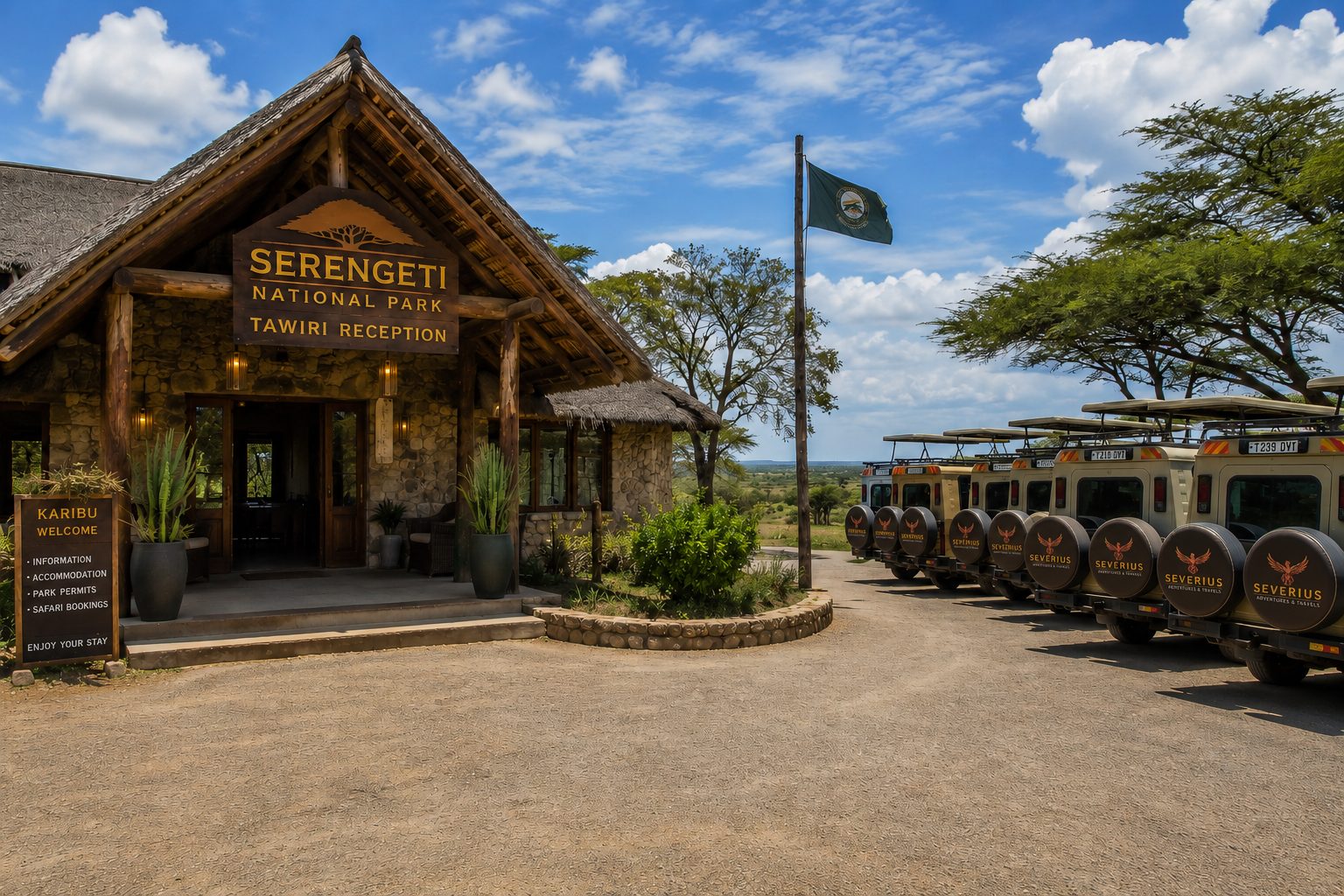
The Serengeti is not merely a national park. It is an ecosystem in perpetual motion — a landscape so vast and so alive that simply arriving within its boundaries shifts your understanding of what wild means. Depending on the season, this is where the Great Migration unfolds: millions of wildebeest and zebra moving in an ancient, continuous cycle across the plains, followed closely by predators. The scale is impossible to fully prepare for — and that is precisely what makes it unforgettable.

The Hot Air Balloon Safari over the Serengeti

At dawn, as the Serengeti awakens, you rise gently above the plains in a hot air balloon. Herds form moving patterns below. Predators cut through the grassland. The horizon stretches in every direction, unbroken and extraordinary. From this height, the Serengeti reveals itself in a way that is simply impossible to experience from the ground.

The balloon journey concludes with a champagne bush breakfast — a celebratory close to a morning that will stay with you for the rest of your life.

The Ngongoro Crater

Descending Into the World's Greatest Natural Arena

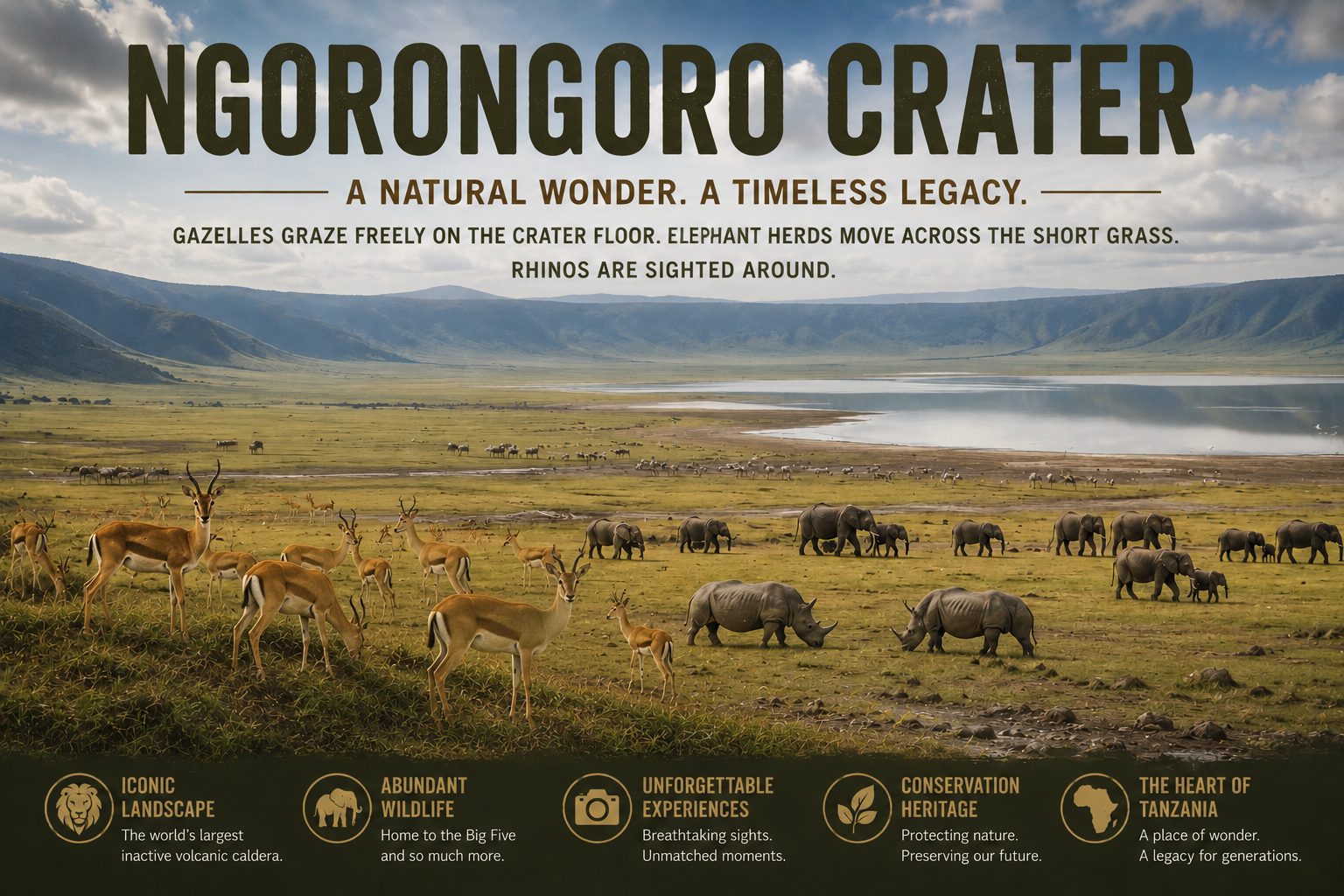
The Ngorongoro Crater is a UNESCO World Heritage Site and one of the most concentrated wildlife-viewing areas in the world. Descending into the crater — a massive, ancient volcanic caldera — feels like entering a self-contained ecosystem where the rules of the wild are written in close quarters.

Lions rest openly on the crater floor. Elephant herds move across the short grass. Rhinos are sighted with remarkable frequency. The density of wildlife here, combined with the dramatic landscape of the surrounding highlands, creates a safari experience unlike anywhere else in East Africa.

Tarangire National Park

Ancient Baobabs and Quiet Safari Intimacy

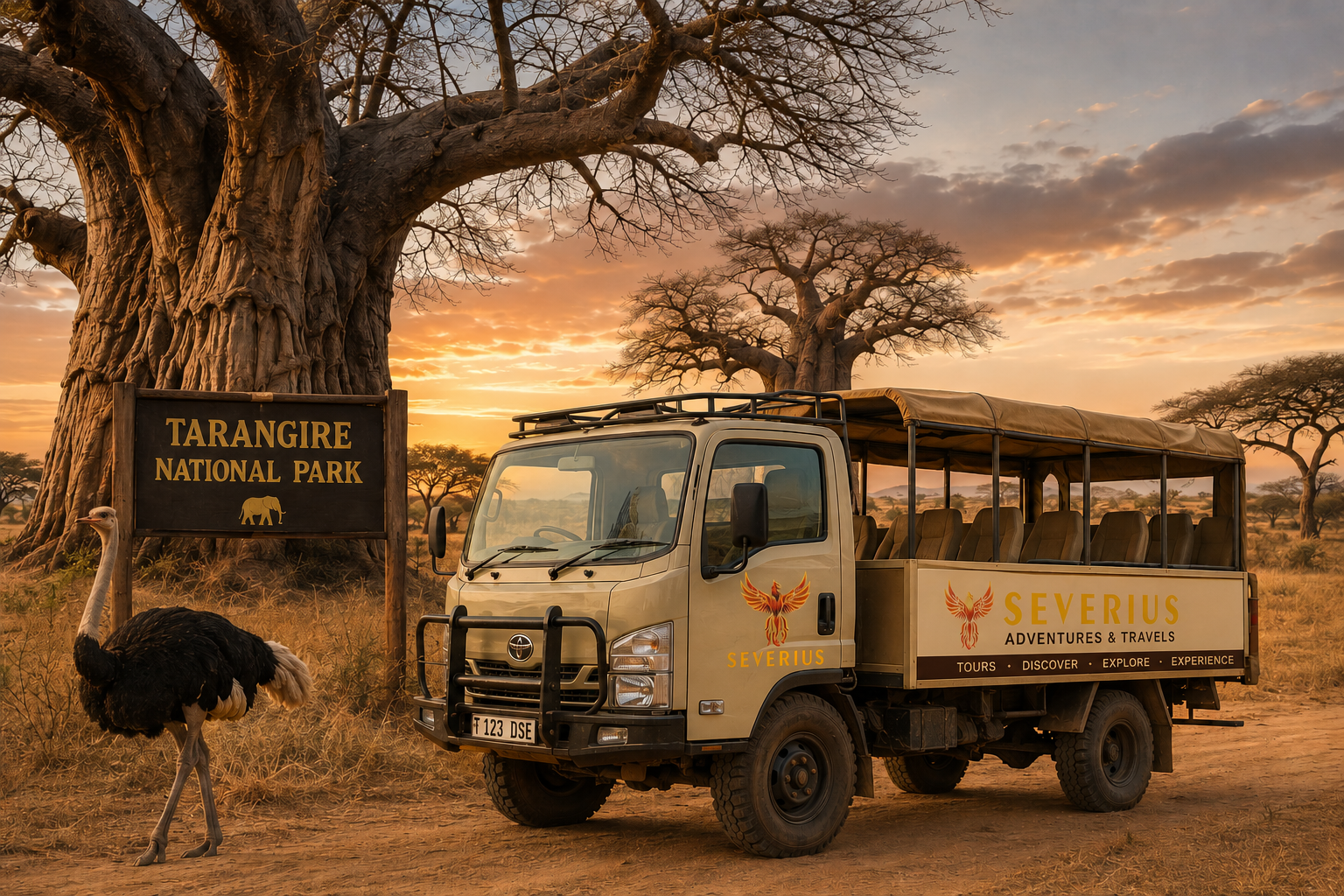
Tarangire provides a deliberately different dimension to the Tanzania journey. Known for its ancient baobab trees — some among the oldest living organisms on the continent — and its large elephant herds gathered along the Tarangire River, this park offers a quieter, more contemplative safari atmosphere.

Here, the pace shifts. Wildlife observation becomes unhurried and personal. It is a reminder that not every great safari moment arrives in spectacle — some of the most powerful encounters happen in stillness.

ESG Impact

Conservation Embedded in Every Journey

Environmentally

Tanzania's national parks are critical to global biodiversity. The Serengeti's migratory corridors, the Ngorongoro highlands' fragile ecosystems, and Tarangire's riverine habitats all benefit from responsible tourism that funds their ongoing protection.

Socially

Local communities — guides, hospitality professionals, artisans, and cultural partners — are integral to the journey. Tourism generates meaningful employment and supports economies in areas where conservation and livelihoods are closely linked.

From a Governance perspective

Tanzania's park management systems operate within structured frameworks that balance environmental protection, community interests, and sustainable tourism development — increasingly supported by collaborative public-private partnerships.

Frequently Asked Questions

When is the best time for the Great Migration?

Absolutely. This is one of our most popular multi-country safari combinations. We design seamless cross-border itineraries that connect the Serengeti with the Maasai Mara for an unrivaled East African safari experience.

A moderate level of fitness is helpful, as tracking involves walking on varied terrain for extended periods. Our guides pace the experience to suit the group's comfort and ability.

Yes. The crater can be visited throughout the year, with the driest months offering the easiest terrain for driving. Each season offers a different and equally compelling experience.

Most travelers can participate, with standard age and weight guidelines. Our team will confirm the specifics upon booking.