
From Paddy Fields to Wildlife Plains — Kenya Through a Wider Lens

The Mwea & Meru National Park Tour is a thoughtfully curated journey through two of Kenya's most defining environments — where sustainable agriculture and untamed wilderness tell the same interconnected story.

A Journey Between Two Worlds

Most travelers come to Kenya for the wildlife. Fewer come to understand the land that sustains it — and the people whose lives depend on both. Our Mwea and Meru National Park Tour bridges that gap, creating a single, cohesive journey that reveals Kenya through a more complete and meaningful lens.

It begins in the paddies of Mwea. It ends in the wild corridors of Meru. And along the way, it connects food systems, water management, wildlife conservation, and cultural authenticity in a way no conventional safari can replicate.
The Mwea Irrigation Scheme

Kenya's Agricultural Heartland

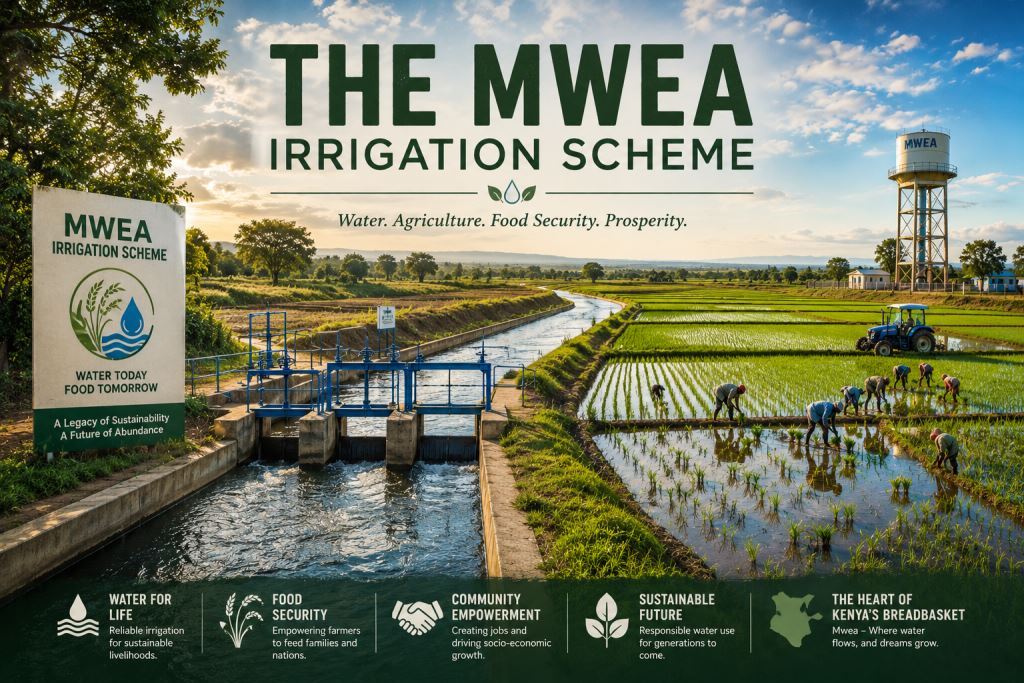
The Mwea Irrigation Scheme, located in the heart of central Kenya, is the country's largest rice-producing region and a pillar of national food security. Vast green paddies stretch across the landscape, fed by an intricate network of canals drawing water from the Thiba and Nyamindi rivers. This is where Kenya's rice is grown, processed, and brought to tables across the country.

Your visit here goes far beyond observation. Guided by local farmers and agricultural experts, you engage directly with the rhythms of rice farming — from land preparation and transplanting to harvesting and post-production processing. You gain firsthand insight into how sustainable agriculture is practiced under increasing environmental pressures, and you meet the people whose knowledge, labor, and lives are woven into every harvest.

And at the end of it — you share a real, authentic meal featuring rice grown and milled right here in Mwea. It is a simple but powerful reminder of where food comes from and who makes it possible.

Meru Nation Park

One of Kenya's Most Unspoiled Safaris

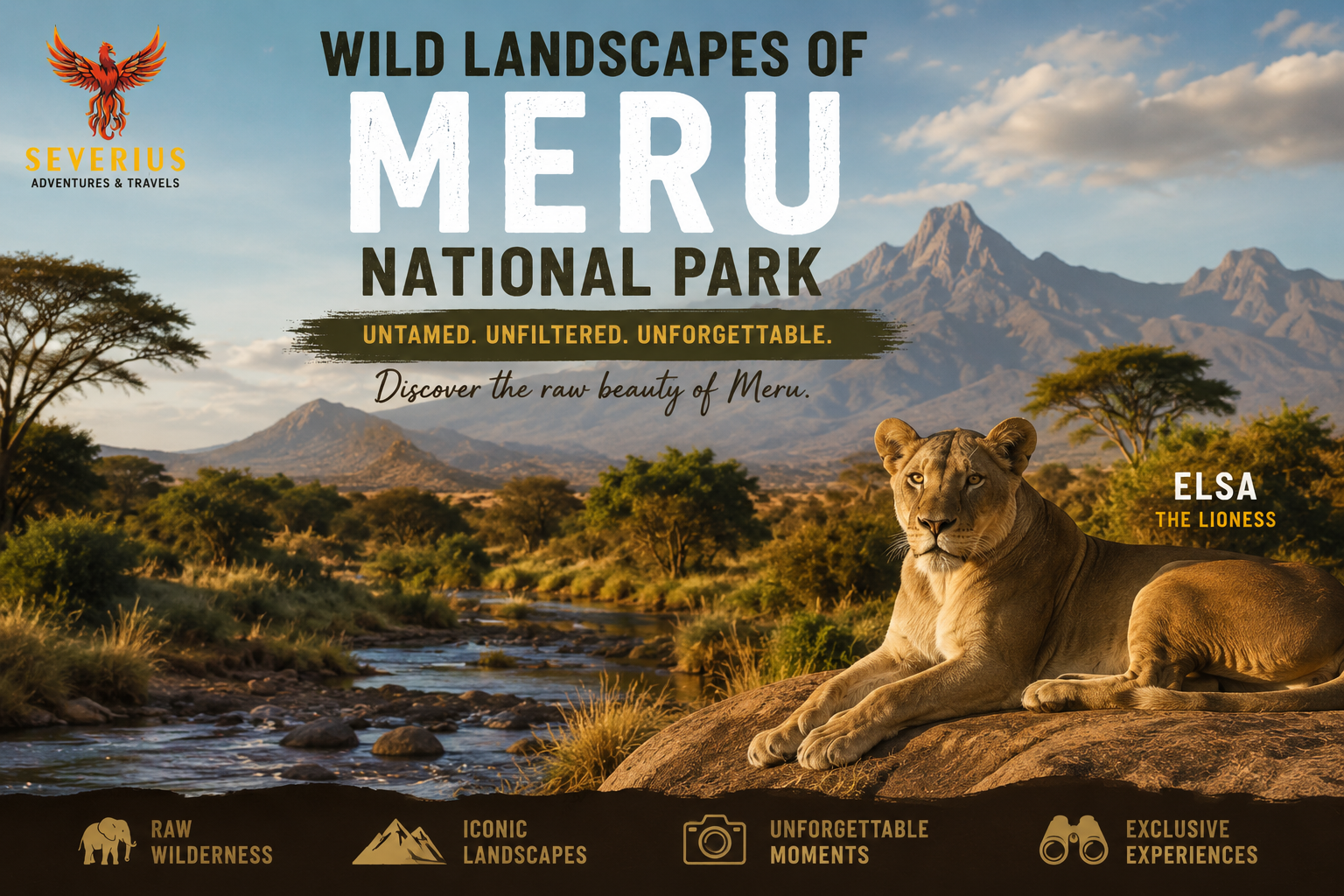
From the cultivated paddies of Mwea, the journey transitions seamlessly into the wild landscapes of Meru National Park — a destination often described as one of Kenya's best-kept safari secrets. Rivers wind through doum palm forests. Baobab trees punctuate the horizon. Wildlife roams across terrain that feels genuinely unfiltered and unhurried.

Meru is famously associated with the story of Elsa the lioness, brought to global attention through the book and film Born Free, and the park today stands as a testament to extraordinary conservation restoration. Game drives through Meru offer opportunities to encounter elephants, lions, rhinos, and a diversity of birdlife, all within a landscape that has been thoughtfully protected and allowed to thrive.

What makes Meru particularly compelling is what it is not — it is not crowded, not predictable, and not packaged. It is a safari experience that still feels like a genuine discovery.

The Story This Journey Tells

Where Land, Water, Food, and Wildlife Connect

What makes this combined experience truly unique is the narrative it creates. Moving from irrigated farmland to protected wilderness, you begin to understand the delicate and essential balance required to sustain both human livelihoods and natural ecosystems.

Water flows from the same catchment areas that feed the rice paddies of Mwea and the rivers of Meru. Land that is protected in national parks stabilizes the ecosystems that make agriculture possible. Communities that benefit from sustainable farming also benefit from responsible tourism. These systems are not separate — they are part of the same story.

This is a journey that helps you understand that story in a way no lecture or documentary can replicate.

ESG Impact

A Journey with Genuine Impact

Environmentally

The tour highlights sustainable water management in agriculture and the critical importance of protected areas in preserving biodiversity. Both elements are presented in their real-world context.

Socially

Your visit directly supports farming communities in Mwea through agri-tourism revenue, amplifies the voices of smallholder farmers, and fosters meaningful cultural exchange between travelers and local practitioners.

From a Governance perspective

The tour operates within structured, ethical frameworks aligned with local authorities, community organizations, and conservation bodies.

Frequently Asked Questions

What does the farm visit involve?

Guided tours of the paddy fields and processing facilities, led by local farmers and agricultural experts. Activities vary by season and may include planting, harvesting observations, or milling demonstrations.

Absolutely. Meru is rich in biodiversity and offers excellent sightings of elephants, lions, rhinos, and numerous bird species in a less-crowded, more intimate setting than many more famous parks.

A locally prepared meal featuring rice grown and milled in Mwea — a highlight of the experience that grounds the agricultural narrative in a genuinely memorable, sensory moment.

Yes. This tour pairs well with the Rhino Tracking experience (which also operates in central Kenya's Solio Ranch

Experience Kenya Where Others Don't Go

This is one of those experiences you will carry with you for the rest of your life. Let us help you design it properly.